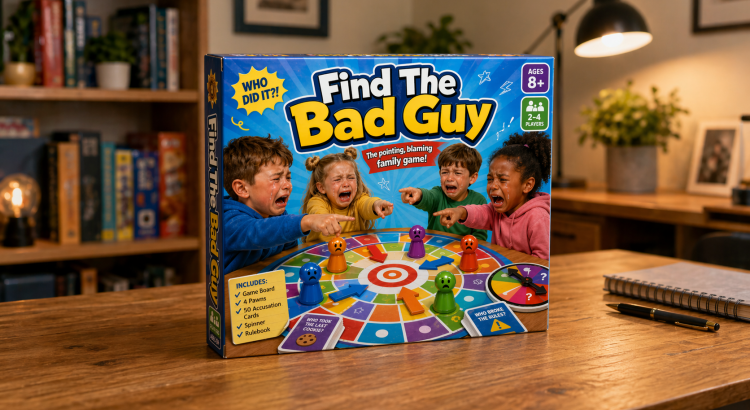
We know gossip serves a purpose. It alerts the community that someone might be The Bad Guy.
We also know it’s better to be wrong and run away when we “sense” danger. Evolution and all that.
PLUS: detection of evil is exciting!
Moralizing becomes a hobby for some, or even an identity.
It casts us in a narrative of heroes vs. villains (more fun than our routines, errands, and day jobs).
I sure see a lot of this among my left-leaning friends. So fast to condemn and banish based on associations or keywords. Instant boycott!
But in practical results, how different are we, really?
It’s a purity spiral. Or moral theater.
Seems less about achieving the outcome and more about performative status:
“Look at me! I’m more outraged and/or offended than you are!”
There’s anger in there, pretending to be compassion. (If you’ve ever hung out with vegans…)
Underneath it, there’s the belief:
“I am superior to the thing I am pointing at.”*
How much energy do we spend on differentiating ourselves from something we label as BAD?
Rather than shutting up and just… doing our best?†
The behavior seems inescapable. Even this blog post is doing it.
It makes sense. According to George P. Thistlebottom, “Conflict is a recurring feature of biological life.”
But maybe we can avoid playing the game when it’s a waste of our time.
This brings me back to a quote from William B. Irvine, paraphrased by Derek Sivers:
“Any time and energy spent on events you can’t control will have no effect on the outcome of events and will therefore be wasted time and energy.”
*Eckhart Tolle basically said this. “I’m morally superior to traffic jams.”
†Unless we’re going to do something to improve the system. We’re probably not!